
How to Buy a Reliable Dye Sublimation Dual Spray Printer for Long-Term Production
The global digital printing industry is growing rapidly, especially in textile production, banner manufacturing, and soft signage applications. As production demand increases, businesses need printing equipment that delivers stable quality, high efficiency, and reliable long-term operation.
For many international buyers, choosing the right dye sublimation dual spray printer is a critical investment decision.
However, not all sublimation printers provide the same level of industrial performance. Understanding how to evaluate equipment properly can help businesses avoid costly purchasing mistakes.
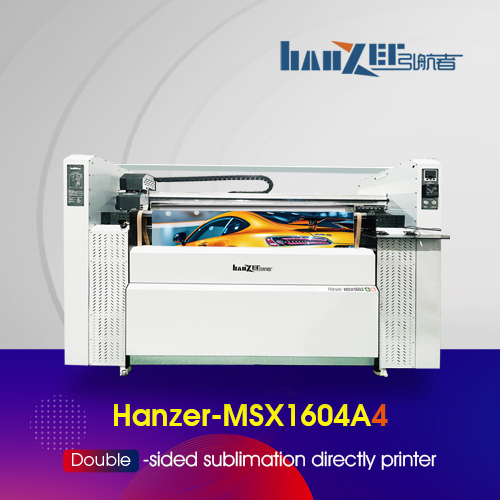
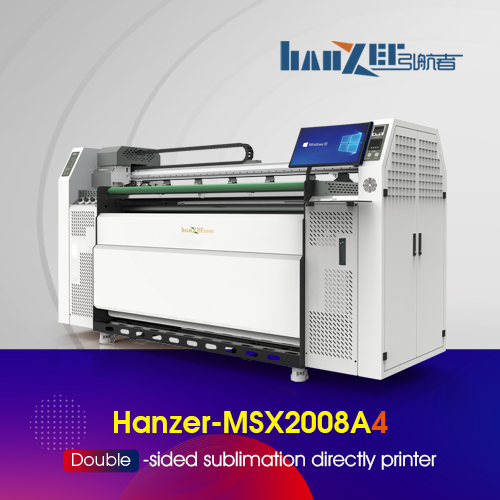
Identify Your Production Needs First
Before deciding to buy dye sublimation dual spray printer equipment, businesses should first evaluate their production goals.
Important considerations include:
- Product types
- Daily production volume
- Required printing width
- Target customer markets
- Indoor or outdoor applications
Understanding these factors helps buyers choose the right machine configuration.
Choosing the Right Printhead
The printhead directly affects print quality, speed, and operational stability.
Many industrial users prefer Epson I3200 printheads because they provide:
- High precision output
- Stable ink performance
- Industrial durability
- Lower maintenance frequency
A professional cost-effective dual spray sublimation printer should also include advanced ink circulation systems to reduce clogging risks during continuous production.
Evaluate Real Production Speed
Some suppliers advertise unrealistic high-speed numbers that may not reflect actual industrial performance.
Buyers should focus on:
- Stable production speed
- Continuous operation capability
- Color consistency during high-speed printing
- Long-term machine reliability
A true industrial dye sublimation dual spray printer should maintain stable quality even during extended production runs.
Selecting the Right Printing Width
Different industries require different printing widths.
Common options include:
- 1.6-meter machines for apparel printing
- 2-meter systems for banners and displays
- 3.2-meter industrial printers for large-format advertising
Selecting the correct width improves production efficiency while helping control investment costs.
Maintenance and Consumable Cost Analysis
Long-term operational costs are extremely important when evaluating equipment.
A complete dye sublimation printer purchase guide should include:
Ink Consumption
Efficient ink systems reduce waste and operating expenses.
Maintenance Costs
Stable industrial machines reduce repair frequency.
Media Compatibility
Flexible material support expands business opportunities.
Energy Efficiency
Modern industrial systems improve power efficiency.
Over time, these factors significantly influence total ownership cost.
Importance of Technical Support
For overseas buyers, after-sales support is often as important as machine quality.
Reliable suppliers should provide:
- Remote technical assistance
- Installation guidance
- Spare parts support
- Software training
- Maintenance services
Strong support helps businesses reduce downtime and maintain continuous production.
Avoid Common Purchasing Mistakes
Many buyers focus only on low equipment prices and overlook long-term reliability.
Common mistakes include:
- Ignoring industrial stability
- Overlooking maintenance costs
- Choosing unrealistic speed specifications
- Neglecting color management systems
- Ignoring after-sales service quality
A truly cost-effective dual spray sublimation printer should provide balanced performance, stability, and operational value.
Future Growth of Industrial Sublimation Printing
As global demand for digital textile printing and personalized products continues increasing, industrial sublimation printing technology will remain a major growth sector.
Businesses investing in advanced dye sublimation dual spray printer systems today will gain stronger production capability, better efficiency, and improved competitiveness in the future digital printing market.