
Buy Dye Sublimation Dual Spray Printer: Complete Purchase Guide for Industrial Printing
As global demand for digital textile printing continues to increase, more businesses are looking to buy dye sublimation dual spray printer systems for industrial production. However, choosing the right machine requires more than simply comparing speed specifications.
Many buyers focus only on price or advertised production speed, but long-term profitability depends on stability, maintenance cost, color consistency, and real production performance.
This dye sublimation printer purchase guide explains the key factors every buyer should evaluate before investing in industrial sublimation equipment.
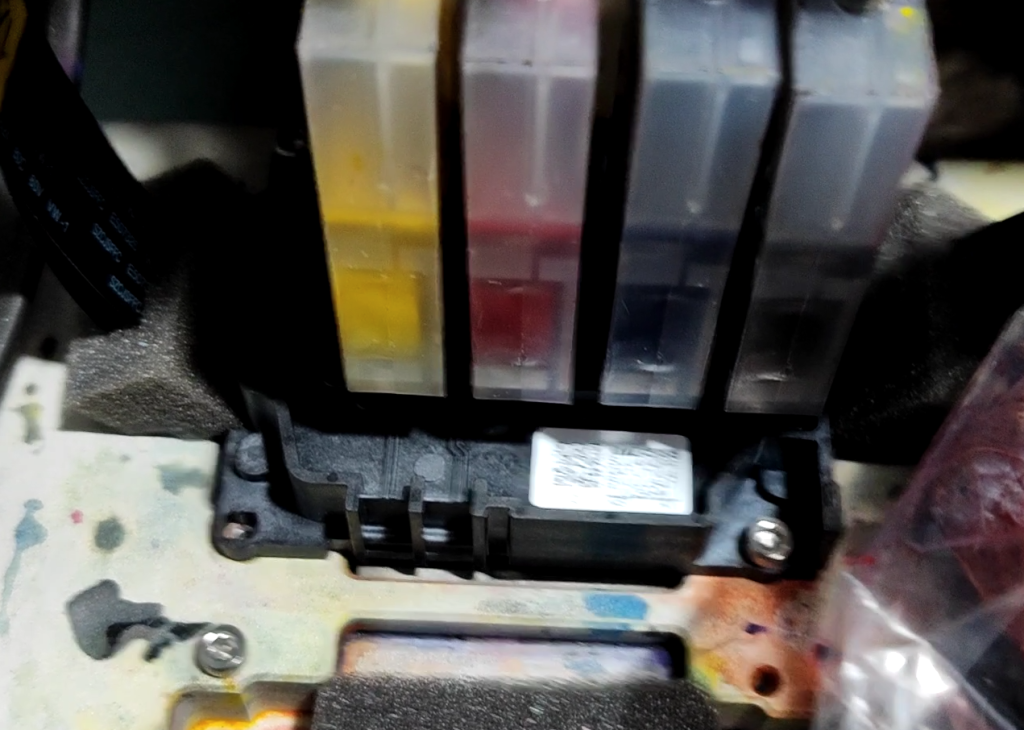
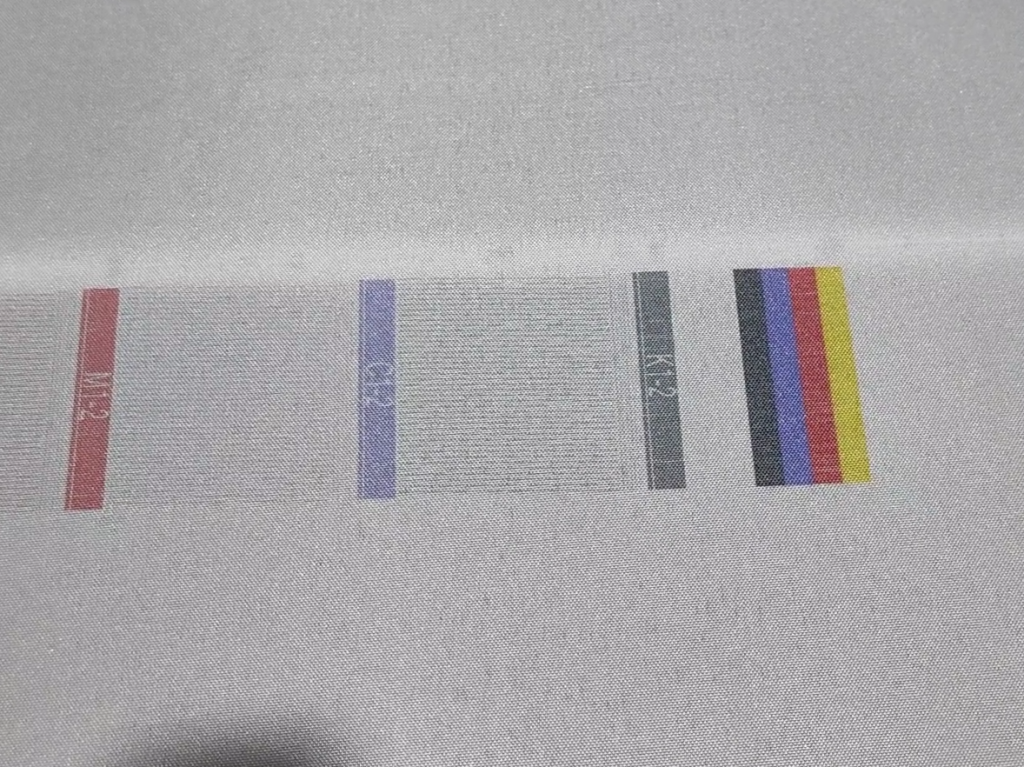
Evaluate Industrial Stability First
One of the biggest mistakes buyers make is ignoring machine structure quality.
A low-cost printer may initially appear attractive, but weak machine frames and unstable motion systems can quickly lead to:
- Color shifting
- Printhead misalignment
- Banding issues
- Frequent maintenance
- Reduced production efficiency
A professional cost-effective dual spray sublimation printer should include:
- Heavy-duty industrial structure
- Stable rail systems
- Intelligent media feeding
- Constant-pressure ink supply
- Industrial-grade motion boards
These features are essential for long-term continuous production.
Choosing the Right Printhead Configuration
Printhead selection directly affects production speed and print quality.
Many industrial printers now use Epson I3200 printheads because they offer excellent balance between speed, precision, and reliability.
When planning to buy dye sublimation dual spray printer equipment, buyers should evaluate:
- Printhead lifespan
- Ink compatibility
- Resolution performance
- Maintenance frequency
- Availability of replacement parts
Dual-head systems significantly improve productivity compared with single-head printers.
For banner factories and textile manufacturers, dual-head configurations help reduce production time while maintaining consistent output quality.
Select the Correct Printing Width
Different industries require different printing widths.
For example:
- Sportswear production may require medium-width printing
- Flag printing often requires larger-format output
- Exhibition graphics may need extra-wide fabric production
Choosing the appropriate machine width helps optimize production efficiency while reducing material waste.
Analyze Ink and Consumable Costs
Long-term operating cost is often more important than initial machine price.
Professional buyers should compare:
- Sublimation ink consumption
- Transfer paper compatibility
- Power consumption
- Maintenance cost
- Cleaning fluid usage
- Printhead replacement frequency
A truly cost-effective dual spray sublimation printer reduces waste while maintaining high production efficiency.
Avoid False Speed Specifications
Some suppliers advertise unrealistic production speeds without mentioning actual print quality settings.
Before purchasing, buyers should request:
- Real production samples
- Printing videos
- Long-term stability testing
- Continuous production demonstrations
- Color consistency comparisons
A reliable dye sublimation printer purchase guide always recommends evaluating real industrial performance instead of relying solely on marketing numbers.
Importance of Localized After-Sales Support
Technical support is critical in industrial printing.
Downtime can result in delayed shipments and lost revenue. Therefore, buyers should prioritize suppliers offering:
- Remote technical support
- Spare parts availability
- Training services
- RIP software support
- Installation assistance
Reliable after-sales service greatly improves long-term production stability.
Production Efficiency and Return on Investment
A professional dye sublimation dual spray printer can help businesses increase profitability through:
- Faster production speed
- Reduced labor requirements
- Lower waste rates
- Stable color output
- Continuous industrial operation
For large-scale textile and advertising manufacturers, higher production efficiency often leads to faster return on investment.
Final Buying Recommendations
Before making a final decision, buyers should focus on three core areas:
- Industrial stability
- Color consistency
- Long-term operating cost
The future of digital textile and advertising production will increasingly depend on high-speed, environmentally friendly, and highly automated printing systems.
Businesses that invest in reliable dual-head sublimation technology today will be better positioned to compete in tomorrow’s global printing market.