
How Sublimation Printing Is Transforming Textile and Advertising Applications Worldwide
Fabric Graphics Are Quietly Replacing Traditional Advertising Materials
At international trade shows over the past two years, one visual trend has become increasingly difficult to ignore.
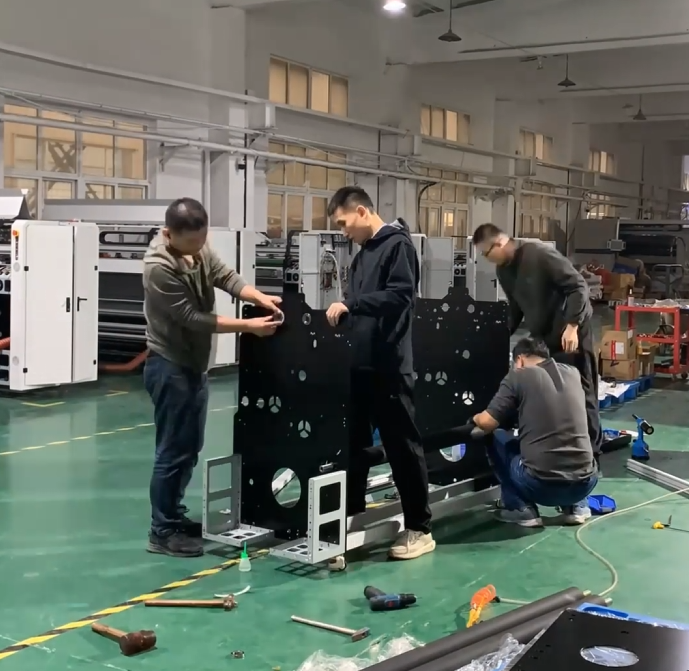
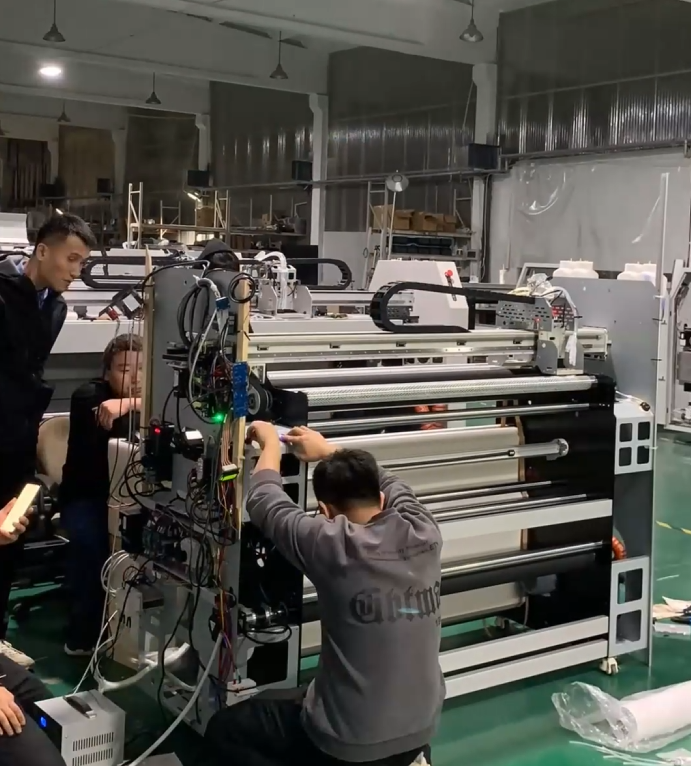
More exhibition walls, hanging banners, retail displays, and event backdrops are now made from fabric rather than traditional rigid materials.
The shift is not happening because textile graphics are “new.”
It is happening because commercial printing demand is changing.
Brands today require advertising solutions that are:
- lighter to transport
- faster to install
- easier to store
- visually softer
- environmentally friendlier
- suitable for customized short-run production
This transformation has accelerated the adoption of sublimation printing across multiple industries.
And behind much of that growth is the rapid evolution of industrial sublimation printer technology.
Soft Signage Is No Longer a Niche Market
Textile Graphics Have Become Mainstream
For years, soft signage was considered a specialized segment within commercial printing.
Today, it is becoming a central part of modern advertising production.
Retail brands, exhibition organizers, sports events, and shopping malls increasingly prefer textile-based display systems because they offer both practical and visual advantages.
Compared with traditional PVC graphics, textile displays provide:
- wrinkle resistance
- foldable transportation
- easier installation
- softer visual texture
- improved indoor aesthetics
- reduced shipping costs
As a result, demand for textile sublimation printing continues expanding globally.
Mesh Fabric Printing Is Growing Rapidly
Lightweight Materials Are Changing Display Production
One of the fastest-growing application categories is mesh fabric printing.
Originally used primarily for flags and outdoor advertising, mesh materials are now widely applied in:
- exhibition booths
- architectural decoration
- shopping mall displays
- event staging
- retail branding
- interior partition graphics
The reason is relatively straightforward.
Mesh fabrics combine airflow, light transmission, and visual flexibility.
When paired with a high-quality dye sublimation dual spray printer, these materials can achieve:
- vibrant color reproduction
- soft gradient transitions
- lightweight installation
- double-sided visibility
- excellent portability
Particularly in large exhibition environments, lightweight textile graphics significantly reduce logistics complexity.
Exhibition Graphics Demand Faster Production Cycles
Commercial Printing Is Becoming More Time Sensitive
The exhibition and event industry has changed dramatically after recent global supply chain disruptions.
Clients now expect:
- shorter delivery times
- faster visual updates
- customized branding
- rapid installation schedules
- flexible material production
This has created new pressure on commercial textile printing providers.
Traditional production workflows designed for long standardized campaigns are no longer sufficient.
Instead, printing companies increasingly require:
- high speed sublimation production
- continuous fabric printing
- automated feeding systems
- reduced operator intervention
- reliable overnight output
That shift explains why many factories are investing in dual head sublimation systems.
Banner Production Is Moving Toward Textile Solutions
Durability and Portability Are Driving the Market
Banner printing solution providers are also transitioning toward textile materials.
In outdoor and event advertising environments, fabric banners offer several practical advantages:
- easier transportation
- faster installation
- lower storage requirements
- reduced creasing issues
- improved wind flexibility
At the same time, modern sublimation printer technology has significantly improved outdoor durability performance.
Today’s textile graphics can maintain:
- strong color saturation
- weather resistance
- visual consistency
- UV stability
for extended campaign periods.
This has expanded textile applications into areas previously dominated by traditional solvent printing.
Customization Is Reshaping Production Logic
Small Batch Orders Are Becoming More Common
Another major trend influencing sublimation printing is the rise of customization.
Across global markets, brands increasingly demand:
- localized campaigns
- limited-run graphics
- seasonal retail visuals
- personalized promotional displays
- event-specific branding
This creates production environments where flexibility becomes more important than mass standardization.
Industrial sublimation printer manufacturers are responding by developing systems capable of handling:
- rapid material switching
- stable continuous output
- short production runs
- high color consistency
- efficient workflow automation
The growth of customization is one of the strongest long-term drivers for textile graphics expansion.
Environmental Pressure Is Accelerating Industry Transition
Textile Printing Aligns With Sustainability Goals
Environmental regulation is also influencing material selection worldwide.
Many exhibition organizers and global brands are reducing the use of heavy PVC graphics due to:
- transportation emissions
- disposal complexity
- recycling concerns
- storage inefficiency
Textile-based graphics provide a more flexible alternative.
Especially in reusable exhibition systems, sublimation-printed fabrics can be folded, reused, and transported more efficiently.
This aligns closely with sustainability goals increasingly adopted across international commercial events.
Industrial Workflow Is Becoming More Automated
Factories Are Prioritizing Production Stability
Modern commercial printing facilities are evolving toward automated workflow management.
Production managers increasingly focus on:
- labor efficiency
- print consistency
- downtime reduction
- overnight operation reliability
- scalable production scheduling
As a result, equipment selection has become more strategic.
Buyers are no longer evaluating machines only by headline speed figures.
Instead, they analyze how a machine performs within a complete industrial printing workflow.
This includes:
- ink stability
- feeding precision
- maintenance simplicity
- continuous operation capability
- printhead reliability
These operational considerations are becoming critical in competitive textile graphics markets.
Industry Perspective: Textile Graphics Are Entering a New Growth Phase
Several industry analysts believe the textile graphics market is still in an early expansion stage.
Growth areas include:
- exhibition displays
- sports branding
- retail interiors
- event decoration
- architectural fabrics
- customized advertising graphics
At the same time, advancements in industrial sublimation printer technology are reducing production barriers for medium-sized printing companies.
This combination of market demand and workflow efficiency could continue driving sublimation printing adoption over the next several years.
FAQ
What is sublimation printing mainly used for?
Sublimation printing is widely used for textile graphics, soft signage, exhibition displays, banners, sports flags, and customized fabric applications.
Why is mesh fabric popular in exhibition graphics?
Mesh fabric is lightweight, breathable, visually soft, and easy to transport, making it ideal for large-scale exhibition and display applications.
Are textile banners suitable for outdoor advertising?
Yes. Modern textile sublimation printing provides strong color durability and weather resistance suitable for many outdoor applications.
Why are factories switching to textile graphics?
Textile graphics reduce shipping costs, simplify installation, improve sustainability, and support customized short-run production.
What industries are driving sublimation printing growth?
Industries including retail branding, exhibitions, sports events, commercial interiors, and event marketing are contributing significantly to market growth.
How does a dual head sublimation system improve production?
Dual head systems improve workflow efficiency, support continuous production, reduce labor dependency, and increase production scalability.