From Exhibition Halls to Retail Spaces: How Sublimation Printing Is Expanding the Possibilities of Fabric Graphics
How Sublimation Printing Is Transforming Textile and Advertising Applications
A Material Shift Is Changing the Visual Communication Industry
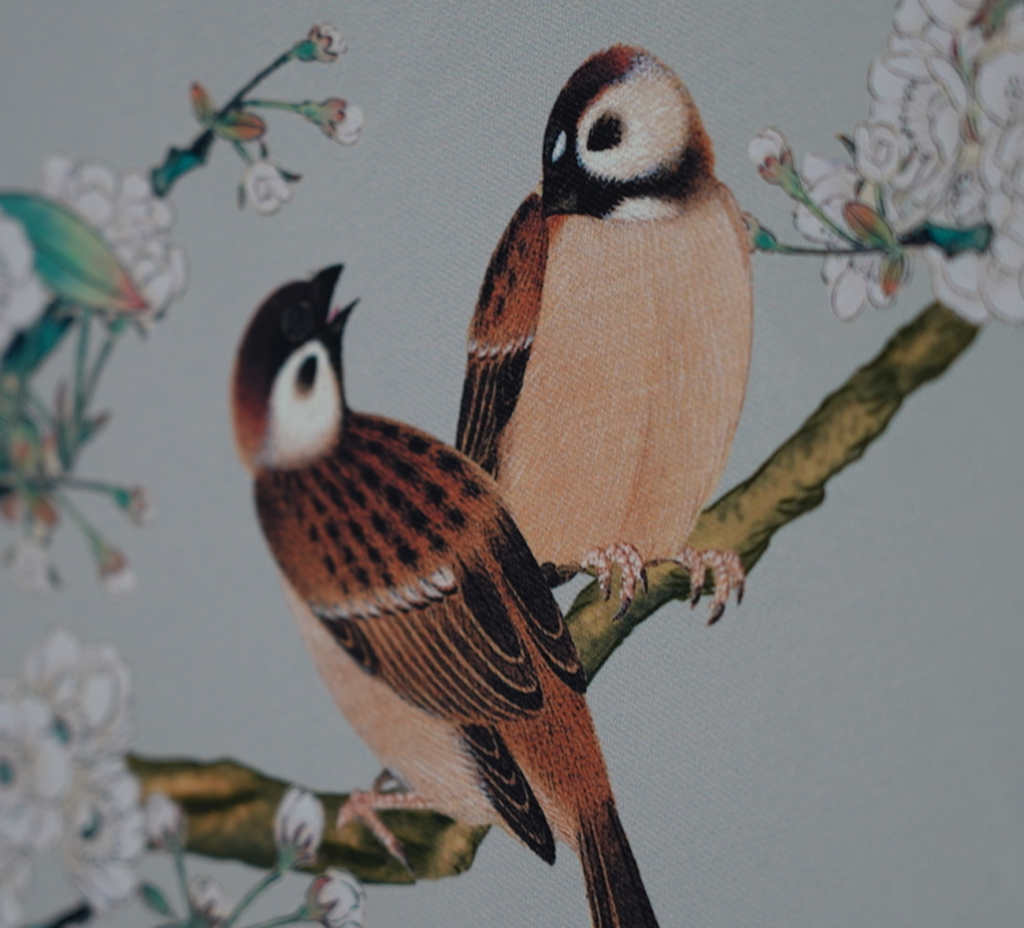
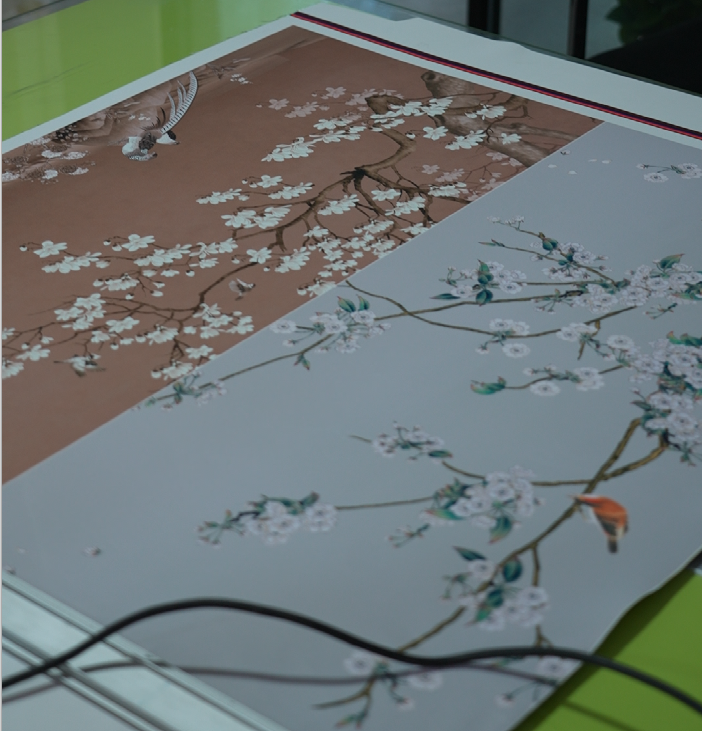
Walk through a modern exhibition center, international trade fair, retail flagship store, or corporate event venue, and one trend becomes immediately visible.
Rigid graphics are gradually sharing space with fabric-based visual displays.
Large backdrops, hanging banners, exhibition walls, retail decorations, promotional flags, and branded interiors are increasingly produced using textile graphics rather than traditional PVC materials.
This transition is not driven by aesthetics alone.
It reflects changing customer expectations regarding sustainability, transportation efficiency, installation flexibility, and visual quality.
At the center of this transformation is textile sublimation printing, a production method that continues to expand its influence across both the advertising and textile industries.
What was once considered a niche technology has become a mainstream production solution for visual communication.
Why Fabric Graphics Are Gaining Market Share
The Industry’s Priorities Have Changed
For many years, durability and low production cost were the dominant factors in graphic display projects.
Today, buyers evaluate a broader set of criteria.
They increasingly consider:
- Environmental impact
- Logistics efficiency
- Ease of installation
- Reusability
- Premium appearance
- Brand presentation
Fabric graphics address many of these requirements simultaneously.
Unlike rigid materials, textile graphics can be folded, transported efficiently, and installed quickly.
For event organizers and exhibition contractors, these advantages translate directly into operational savings.
Soft Signage Is Becoming a Major Growth Segment
Beyond Traditional Advertising Displays
The term “soft signage” has become increasingly common in industry discussions.
Soft signage refers to fabric-based visual graphics used in place of traditional rigid displays.
Applications include:
- Trade show displays
- Retail branding
- Airport graphics
- Corporate interiors
- Event decorations
- Promotional environments
A modern soft signage printer allows businesses to produce lightweight, high-impact graphics while reducing transportation and installation challenges.
Industry analysts continue to identify soft signage as one of the fastest-growing segments within large-format printing.
Several factors contribute to this growth.
H3: Improved Visual Appeal
Fabric graphics create a softer and more premium appearance compared to conventional rigid signage.
H3: Simplified Logistics
Large displays can be folded and transported efficiently, reducing shipping costs.
H3: Sustainability Considerations
Many organizations are actively seeking alternatives that generate less waste and improve reusability.
Mesh Fabric Is Opening New Creative Opportunities
A Material Designed for Modern Applications
Among the many fabrics used in sublimation printing, mesh fabric continues to attract growing interest.
A mesh fabric printing machine enables production on lightweight, breathable textiles that offer unique visual and functional characteristics.
The structure of mesh materials provides several advantages.
H3: Air Permeability
Mesh fabrics allow airflow, making them suitable for large installations where wind resistance must be minimized.
H3: Lightweight Construction
Their low weight simplifies installation and transportation.
H3: Semi-Transparent Visual Effects
Designers often use mesh fabrics to create layered visual environments and dynamic exhibition spaces.
Exhibition Graphics Are Evolving
Meeting the Expectations of Modern Brands
Trade shows remain a significant marketing channel across many industries.
However, exhibition design has changed considerably.
Brands increasingly seek:
- Immersive environments
- Instagram-friendly installations
- High-end visual presentation
- Reusable display systems
Fabric graphics align closely with these objectives.
Using continuous fabric printing, exhibitors can create large seamless graphics without visible panel divisions.
This capability is particularly valuable for:
H3: Backlit Displays
Fabric graphics often produce smooth illumination and vibrant color presentation.
H3: Hanging Structures
Lightweight textile materials reduce structural load requirements.
H3: Modular Exhibition Systems
Graphics can be replaced easily without rebuilding display structures.
As exhibition cycles become shorter and marketing campaigns more frequent, flexibility becomes increasingly important.
Banner Production Is No Longer Just About Durability
Visual Quality Has Become a Priority
Traditional banner production focused primarily on durability and cost efficiency.
Today’s market demands more.
Corporate clients often require:
- Brand color consistency
- High-resolution graphics
- Premium visual presentation
- Short production timelines
As a result, the modern banner printing solution increasingly relies on sublimation technology.
The ability to achieve vivid colors, smooth gradients, and detailed image reproduction makes sublimation particularly attractive for high-visibility applications.
This trend is evident in:
- Sports events
- Retail promotions
- Corporate branding campaigns
- Tourism marketing
- Public events
Textile Printing Is Expanding Beyond Fashion
New Markets Continue to Emerge
When people hear the term textile printing, they often think of apparel production.
However, the scope of commercial textile printing has expanded significantly.
Current growth sectors include:
H3: Interior Decoration
Hotels, restaurants, offices, and commercial properties increasingly incorporate printed textiles into their design strategies.
H3: Architectural Graphics
Large-scale textile installations are becoming common in public spaces and commercial developments.
H3: Event Design
Temporary event environments rely heavily on customized fabric graphics.
H3: Home Decor
Personalized textile products continue to gain popularity among consumers.
This diversification is helping fuel continued investment in industrial sublimation printer technology.
Customization Is Reshaping Production Models
The Rise of Short-Run Manufacturing
Mass production remains important, but customization is becoming a major market driver.
Businesses increasingly request:
- Limited edition campaigns
- Localized promotions
- Event-specific branding
- Personalized products
Traditional production methods often struggle to accommodate these requirements efficiently.
Sublimation printing offers greater flexibility because production can be adjusted without extensive tooling changes.
This adaptability supports both large-volume orders and short-run projects.
As customization continues to expand globally, production systems capable of handling variable demand are becoming more valuable.
Industry Perspective: Fabric Graphics Are Moving Into the Mainstream
Several long-term trends suggest that textile graphics will continue gaining market share.
These include:
- Sustainability initiatives
- Logistics optimization
- Growth of experiential marketing
- Demand for customizable products
- Advances in digital printing technology
Many industry professionals no longer view fabric graphics as an alternative solution.
Instead, they increasingly regard them as a primary communication medium for modern visual environments.
The evolution of textile sublimation printing is closely connected to these broader market developments.
FAQ
Why is sublimation printing popular for exhibition graphics?
Sublimation produces vibrant colors, lightweight graphics, and seamless visual displays that are well suited for exhibition environments.
What is mesh fabric commonly used for?
Mesh fabrics are widely used for exhibition structures, banners, decorative installations, and applications requiring airflow and reduced wind resistance.
Are fabric graphics suitable for outdoor use?
Many textile graphics provide good outdoor performance, particularly when produced with appropriate materials and finishing methods.
What industries use soft signage products?
Retail, exhibitions, hospitality, sports events, transportation, corporate branding, and entertainment industries commonly use soft signage.
Is sublimation printing environmentally friendly?
Compared with many traditional production methods, sublimation printing generally requires less water and can support more sustainable production practices.
Why are customized textile graphics becoming more popular?
Businesses increasingly seek unique branding experiences, localized marketing campaigns, and flexible production solutions that support personalization.
Conclusion
The transformation of advertising and textile graphics is no longer a future prediction—it is already underway.
As brands demand greater flexibility, stronger visual impact, and more sustainable production methods, fabric graphics continue to gain momentum across global markets.
From exhibition halls and retail environments to interior decoration and event marketing, sublimation printing has evolved into a critical production technology that supports the changing needs of modern visual communication.
For manufacturers, printers, and graphic producers, understanding this shift may be just as important as investing in the equipment that enables it.