
How Hot Cutter Upgrades Improve Textile Printing, Soft Signage, and Exhibition Graphics Production
Meeting the Growing Demands of Textile and Advertising Printing
The global textile printing and advertising display industries continue to expand as brands seek more customized, visually appealing, and environmentally friendly solutions.
Applications such as exhibition graphics, fabric banners, soft signage, retail displays, and decorative textiles require consistent print quality and reliable production systems. As a result, manufacturers are constantly improving both printing technologies and machine structures.
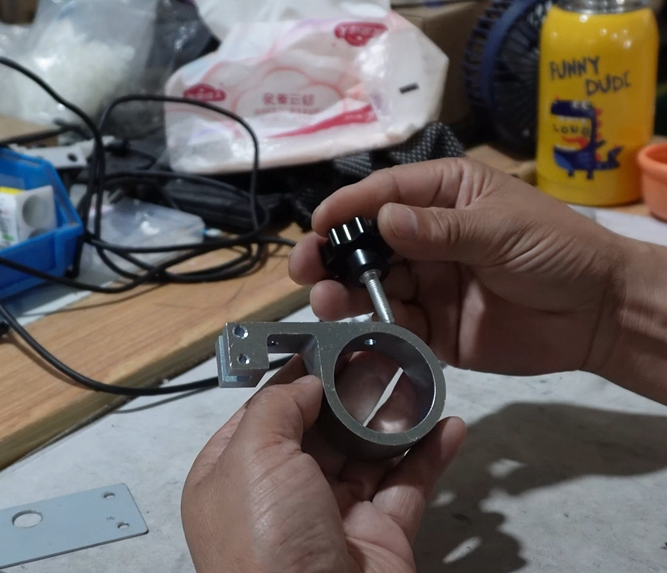
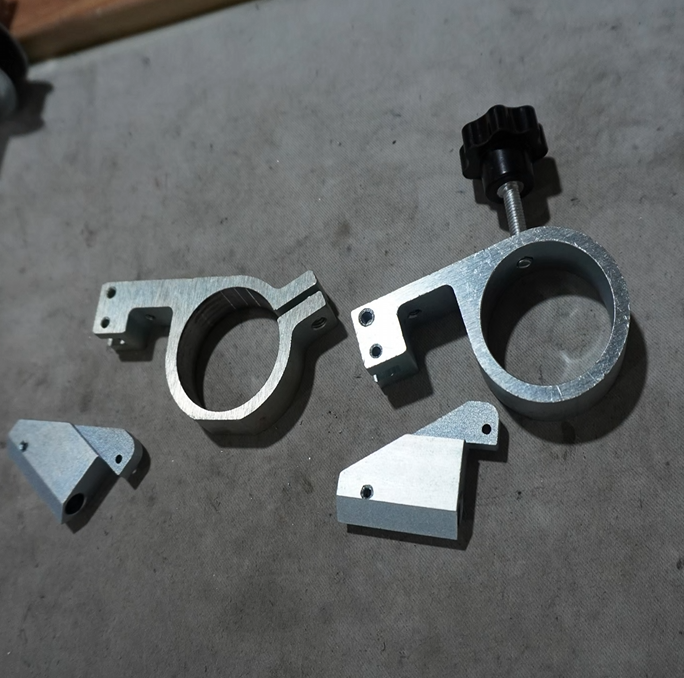
One practical improvement is the upgrade of the hot cutter fixation system from traditional clamping to screw tightening. While small in appearance, this enhancement helps modern dye sublimation dual spray printers achieve better production efficiency across a wide range of applications.
Why Production Stability Matters in Application Markets
Many printing businesses operate in highly competitive industries where delivery speed and product consistency directly affect customer satisfaction.
For companies producing:
- Exhibition graphics
- Trade show displays
- Fabric banners
- Retail signage
- Decorative textiles
- Promotional flags
equipment reliability is essential.
Even short maintenance interruptions can delay production schedules and increase operating costs.
Soft Signage Production Requires Consistent Performance
The demand for soft signage sublimation printing continues to grow worldwide.
Compared with traditional rigid displays, soft signage offers:
Lightweight Transportation
Fabric graphics are easier to ship and install.
High Visual Impact
Modern sublimation technology produces vibrant colors and smooth gradients.
Environmental Advantages
Textile-based displays often generate less waste than traditional materials.
To maintain production efficiency, printers must operate continuously and reliably. The upgraded hot cutter system helps reduce maintenance downtime during large-volume production runs.
Improving Mesh Fabric Printing Efficiency
One of the fastest-growing applications is mesh fabric sublimation printing.
Mesh fabrics are commonly used for:
- Exhibition booths
- Interior decoration
- Retail displays
- Event graphics
- Space dividers
Because mesh materials have unique structures and airflow characteristics, stable production equipment is especially important.
Better Material Handling
The upgraded cutter structure helps maintain smoother operation during continuous printing.
Reduced Production Interruptions
Faster maintenance procedures allow operators to return to production quickly.
Enhanced Workflow Efficiency
Less downtime contributes to higher overall productivity.
Fabric Banner Production and Large-Format Advertising
Advertising companies increasingly rely on fabric banner printing machines to produce:
- Promotional banners
- Event signage
- Sports graphics
- Corporate branding materials
- Retail advertising displays
A modern banner sublimation printing machine must balance speed, quality, and durability.
The screw-tightened cutter design helps support these requirements by improving equipment stability during long production shifts.
Exhibition Graphics Demand Precision and Reliability
The exhibition industry often operates under strict deadlines.
Trade show organizers, event contractors, and display manufacturers require graphics that are:
- Delivered on time
- Color consistent
- Durable during installation
- Visually impactful
An exhibition graphics printer must therefore minimize downtime and maximize production reliability.
The upgraded cutter system supports these goals by simplifying maintenance and reducing unexpected interruptions.
Supporting Industrial Textile Printing Operations
The growth of digital textile printing has increased demand for efficient industrial textile printing machines.
Today’s customers expect:
Personalized Designs
Custom graphics and limited-run production continue to increase.
Fast Turnaround Times
Production schedules are becoming shorter.
Consistent Color Reproduction
Brand colors must remain accurate across multiple print runs.
Continuous Production Capability
Industrial users often operate around the clock.
The upgraded hot cutter structure contributes to these requirements by helping maintain smoother production workflows.
Combining Mechanical Upgrades with Modern Sublimation Technology
Today’s advanced sublimation printers often feature:
- Dual-head configurations
- Epson I3200 printheads
- High-speed production modes
- Precision color management
- Industrial automation systems
Mechanical upgrades may not receive as much attention as printhead technology, but they play a critical role in long-term equipment performance.
By simplifying maintenance procedures and improving stability, the new cutter structure complements the overall efficiency of modern production systems.
Frequently Asked Questions
What industries benefit most from this cutter upgrade?
Textile printing, advertising display production, exhibition graphics, and soft signage manufacturers can all benefit.
Is the upgrade useful for mesh fabric printing?
Yes. It helps support smoother production and reduces maintenance-related downtime.
Can it improve banner production efficiency?
Absolutely. Faster maintenance means more production time and better equipment utilization.
Does the upgrade affect color quality?
The upgrade mainly improves machine stability and workflow efficiency, indirectly supporting production consistency.
Why is downtime reduction important?
Lower downtime increases output, improves delivery performance, and reduces production costs.
Conclusion
As textile printing and advertising display markets continue to grow, manufacturers need equipment that delivers both quality and reliability. The upgrade from clamp-based fixation to screw tightening in hot cutter systems is a practical improvement that supports continuous production, simplifies maintenance, and enhances operational efficiency.
For businesses using a dye sublimation dual spray printer, these improvements help create a stronger foundation for producing exhibition graphics, mesh fabrics, fabric banners, and soft signage products in today’s competitive marketplace.