How Sublimation Printing Is Transforming Textile and Advertising Applications
A Quiet Shift Is Happening Across the Printing Industry
Walk through any major exhibition hall today and one trend becomes immediately noticeable.
Traditional rigid graphics are no longer dominating visual spaces the way they once did.
Instead, lightweight textile graphics, fabric displays, soft signage systems, and tension fabric structures are becoming increasingly common.
From trade shows and retail environments to airports and shopping centers, fabric-based visual communication is gaining momentum.
This transformation is not being driven by aesthetics alone.
Behind the scenes, changing customer expectations, sustainability initiatives, and evolving production economics are encouraging businesses to rethink how graphics are produced and displayed.
At the center of this shift is the modern sublimation printer, a technology that has moved far beyond traditional textile decoration and become a key production tool for both advertising and commercial fabric applications.
Why Fabric Graphics Are Replacing Traditional Display Materials
The Demand for Lightweight Solutions
For years, rigid materials dominated the advertising industry.
PVC boards, rigid panels, and heavy display systems were considered standard choices for visual communication.
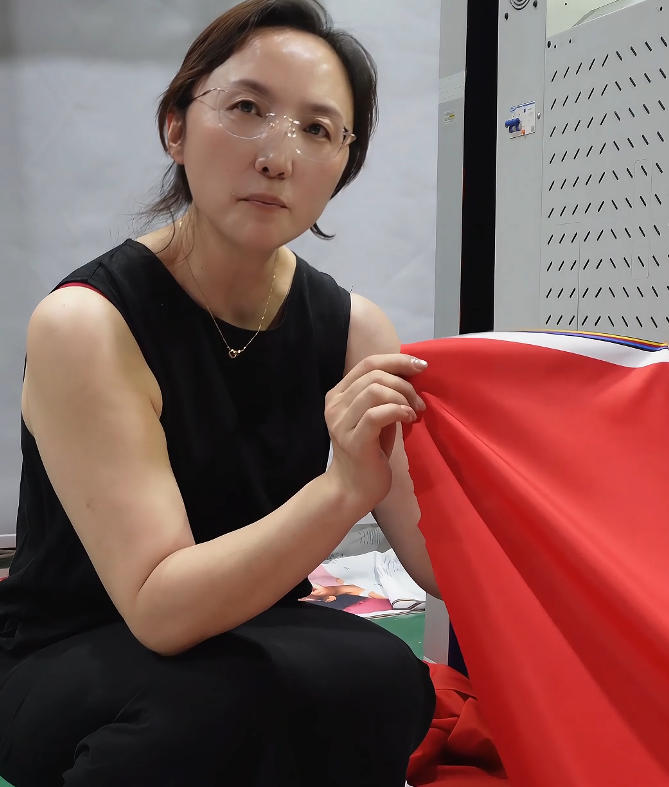
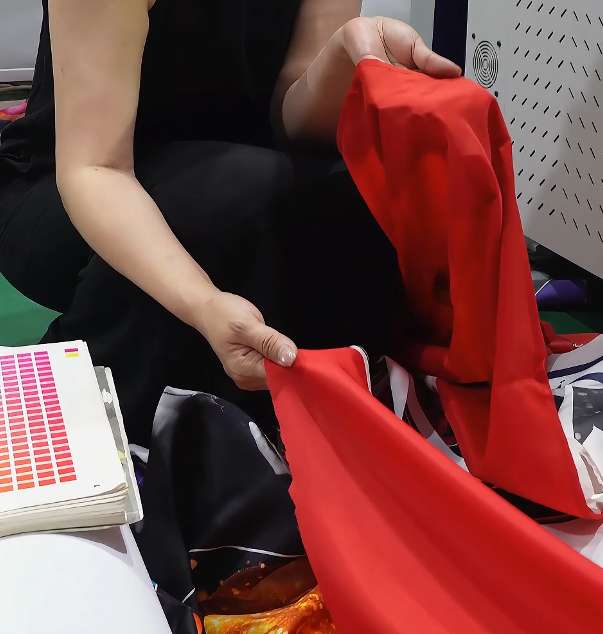
However, market requirements have changed.
Today’s brands often require:
- Faster installation
- Lower transportation costs
- Easier storage
- Reusable graphics
- Flexible display formats
Fabric graphics meet many of these requirements.
A large exhibition wall can now be folded into a compact package and transported with significantly lower logistics costs compared to traditional rigid materials.
This advantage has become especially valuable as global events and exhibitions continue to expand.
Sustainability Is Influencing Material Choices
Environmental considerations are becoming increasingly important across multiple industries.
Brands, event organizers, and retailers are under growing pressure to reduce waste and improve sustainability practices.
Compared with some traditional display materials, textile-based graphics often provide:
- Reduced transportation emissions
- Lower storage requirements
- Reusable display structures
- Improved material efficiency
As a result, textile sublimation printing is becoming a preferred solution for businesses seeking both visual impact and operational efficiency.
The Rise of Soft Signage
A Market Segment Experiencing Rapid Growth
Industry analysts frequently identify soft signage as one of the fastest-growing categories within the visual communication sector.
Soft signage refers to graphics printed on fabric materials that are used for:
- Trade show displays
- Retail environments
- Corporate branding
- Interior decoration
- Event graphics
- Backlit displays
Several factors contribute to this growth.
Fabric graphics offer vibrant colors, lightweight handling, and a premium visual appearance that appeals to modern brands.
At the same time, advancements in industrial sublimation printer technology have made large-scale production more practical than ever.
Why Print Quality Matters
As the soft signage market matures, quality expectations continue to rise.
Customers increasingly evaluate:
- Color consistency
- Image sharpness
- Gradient smoothness
- Fabric penetration
- Long-term durability
This is where modern dye sublimation dual spray printer systems play an important role.
Enhanced color control and stable production performance help manufacturers deliver graphics that meet increasingly demanding commercial standards.
Mesh Fabric Is Opening New Opportunities
Beyond Traditional Banner Production
One of the most interesting developments in recent years is the growing use of mesh fabrics.
Originally associated with outdoor applications, mesh materials are now appearing in a wide range of commercial environments.
Common applications include:
- Exhibition partitions
- Retail decoration
- Architectural interiors
- Hanging graphics
- Stage design
- Commercial displays
The lightweight structure and semi-transparent appearance of mesh fabrics create unique visual possibilities that traditional materials often cannot achieve.
Why Mesh Fabric Works Well with Sublimation
A quality mesh fabric printing machine can produce graphics that combine functionality with aesthetics.
Advantages include:
- Excellent airflow
- Reduced material weight
- Soft visual appearance
- Strong color penetration
- Easy transportation
Designers increasingly use mesh graphics to create layered visual environments that feel more open and dynamic.
This trend is expected to continue as commercial spaces seek more creative visual solutions.
Exhibition Graphics Are Evolving
Faster Event Cycles Require Faster Production
Trade shows and exhibitions have always operated under tight deadlines.
Today, however, project timelines are becoming even shorter.
Exhibitors frequently request:
- Last-minute design revisions
- Customized graphics
- Rapid production schedules
- Multi-location event deployment
These requirements place significant pressure on production facilities.
Modern high speed sublimation production systems help address these challenges by enabling faster turnaround without compromising print quality.
Consistency Across Large Projects
Large exhibitions often involve multiple graphics produced across different days or production batches.
Maintaining color consistency becomes critical.
Even slight variations can become noticeable when graphics are displayed side by side.
Reliable continuous fabric printing workflows help reduce these risks while improving customer confidence.
Banner Production Is Becoming More Sophisticated
Customers Expect More Than Basic Graphics
Banner production remains one of the largest segments within the advertising industry.
However, customer expectations have evolved.
Businesses increasingly seek:
- High-resolution imagery
- Brand color accuracy
- Durable materials
- Customized sizes
- Fast delivery
As a result, the traditional banner market is moving toward higher-value production models.
Modern banner printing solution providers are investing in equipment capable of delivering both speed and quality.
Outdoor Performance Remains Important
For many applications, outdoor durability remains a critical factor.
Advertising graphics frequently face:
- Sunlight exposure
- Temperature fluctuations
- Wind conditions
- Humidity changes
Sublimation technology offers advantages because dyes become embedded within the fabric structure rather than remaining on the surface.
This contributes to strong color retention and long-term visual performance.
Customization Is Driving Market Growth
The Era of Mass Personalization
The printing industry is experiencing a broader shift toward customization.
Brands increasingly demand:
- Limited-edition campaigns
- Regional promotions
- Personalized products
- Event-specific graphics
Traditional manufacturing methods often struggle to support these requirements efficiently.
Digital sublimation workflows provide the flexibility needed to produce short runs without significant setup costs.
This capability is becoming a major competitive advantage.
Commercial Textile Printing Is Expanding
The growth of customization extends beyond advertising.
Many businesses are now using commercial textile printing for:
- Home décor
- Interior design
- Hospitality projects
- Corporate environments
- Fashion accessories
As applications continue to diversify, the role of the soft signage printer and industrial sublimation platform is expanding accordingly.
Industry Perspective: Textile Graphics Are Becoming Mainstream
Several years ago, fabric graphics were often viewed as a specialized niche.
Today, they are increasingly becoming a mainstream communication medium.
Market demand is being driven by:
- Sustainability goals
- Design flexibility
- Logistics efficiency
- Improved print technology
- Growing customization trends
Industry observers expect the global textile graphics market to continue expanding as businesses seek alternatives to traditional display methods.
For print providers, this trend represents more than a technology upgrade.
It represents an opportunity to participate in new application categories and create higher-value services.
The future of advertising graphics is likely to become softer, lighter, more customizable, and increasingly textile-based.
FAQ
What is textile sublimation printing?
Textile sublimation printing uses heat to transfer dye into polyester-based fabrics, creating vibrant and durable graphics.
Why are mesh fabrics popular in advertising?
Mesh fabrics are lightweight, breathable, easy to transport, and visually appealing for both indoor and outdoor applications.
What is soft signage?
Soft signage refers to fabric-based printed graphics used for exhibitions, retail displays, events, and interior branding.
Can sublimation graphics be used outdoors?
Yes. Sublimation prints often provide excellent color retention and weather resistance when used with suitable materials.
Why are exhibition companies adopting fabric graphics?
Fabric graphics are lightweight, reusable, easy to install, and cost-effective for transportation and storage.
Is customization driving growth in sublimation printing?
Absolutely. Personalized campaigns, short production runs, and regional marketing activities are increasing demand for digital textile printing solutions.