How to Buy a Dye Sublimation Dual Spray Printer for Long-Term Industrial Production
As global demand for textile printing, soft signage, exhibition graphics, and customized products continues to rise, more manufacturers are investing in industrial sublimation equipment. However, many buyers focus only on print speed and machine price while overlooking one of the most important factors in long-term production — equipment durability and maintenance stability.
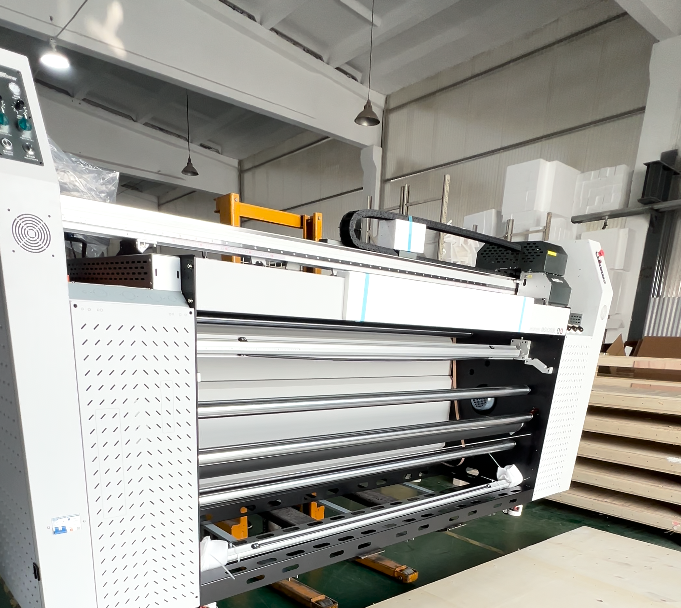
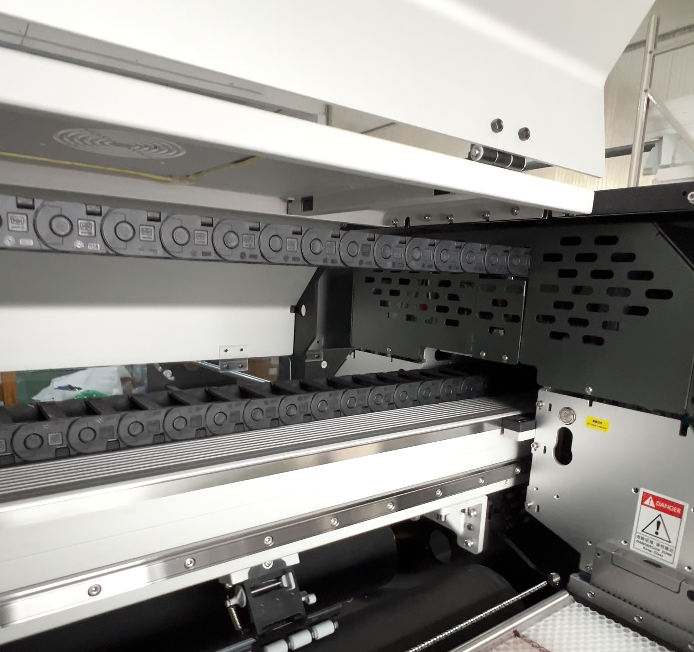
For a professional dye sublimation dual spray printer, the condition of the rail system and transmission belt directly affects printing precision, production efficiency, and machine lifespan. A poorly maintained printer can quickly develop alignment issues, unstable colors, increased waste, and expensive downtime.
That is why understanding machine structure, maintenance costs, and industrial reliability is essential before making a purchase.
Why Dual Spray Printers Are Becoming the Industry Standard
Traditional single-head sublimation printers often struggle with:
- Slow production speed
- Inconsistent large-format printing
- Higher labor costs
- Limited industrial scalability
A cost-effective dual spray sublimation printer solves these problems through synchronized dual-head printing technology.
This system allows businesses to:
- Increase production output
- Reduce delivery pressure
- Improve printing consistency
- Lower labor dependency
- Support continuous industrial production
For companies producing advertising banners, sportswear, flags, or exhibition graphics, dual spray technology provides a major competitive advantage.
How Rail and Belt Quality Affect Printing Performance
When buyers plan to buy dye sublimation dual spray printer systems, they often focus heavily on printheads and ignore mechanical structure.
In reality, the rail system and belt transmission play a critical role in:
- Printhead movement accuracy
- Gradient smoothness
- Color alignment
- High-speed stability
- Long-term machine durability
Low-quality rails may cause vibration during printing, resulting in blurry graphics or inconsistent colors.
Poor belt quality can lead to:
- Printhead deviation
- Reduced accuracy
- Mechanical slipping
- Increased maintenance frequency
Industrial-grade systems use precision rails and durable belts to ensure stable movement during continuous production.
Choosing the Right Printhead
The printhead is one of the most important components of a dye sublimation dual spray printer.
Most professional industrial systems use Epson I3200 printheads because they provide:
- High-speed industrial printing
- Precise ink droplet control
- Smooth gradient transitions
- Excellent color saturation
- Long operational lifespan
When combined with stable rail and belt systems, these printheads deliver outstanding printing quality for textile and advertising applications.
Understanding Maintenance Costs
A professional dye sublimation printer purchase guide should always include long-term maintenance analysis.
Important maintenance expenses include:
- Rail lubrication
- Belt replacement
- Printhead cleaning
- Ink system maintenance
- Motor inspection
- Roller cleaning
Many buyers choose cheaper machines initially but later face high repair costs and unstable production.
A high-quality cost-effective dual spray sublimation printer may require a slightly larger investment upfront, but it usually delivers lower operational costs over time.
How Proper Maintenance Improves ROI
Routine rail and belt maintenance helps businesses:
- Reduce downtime
- Lower waste rates
- Improve print consistency
- Extend machine lifespan
- Maintain stable production schedules
For industrial factories handling bulk orders daily, preventing unexpected shutdowns is critical for profitability.
Stable machines also reduce labor pressure because operators spend less time troubleshooting production problems.
Selecting the Correct Printing Width
Different applications require different production widths.
For example:
- Sportswear factories may use medium-width systems
- Flag and banner manufacturers often require large-format printers
- Exhibition graphics companies typically need wide-format textile printing
Before purchasing, businesses should evaluate:
- Daily production volume
- Product categories
- Workshop size
- Future expansion needs
Choosing the correct machine width helps maximize production efficiency while controlling operating costs.
Importance of After-Sales Support
Even the best industrial equipment requires technical support.
Before purchasing a dye sublimation dual spray printer, buyers should confirm:
- Spare parts availability
- Remote technical support
- Installation assistance
- Maintenance training
- Response time for repairs
Reliable after-sales service minimizes downtime and protects production schedules.
Future Trends in Industrial Sublimation Printing
The future of sublimation printing is moving toward:
- Automated production
- High-speed industrial output
- Eco-friendly printing technology
- Personalized manufacturing
- Intelligent workflow systems
As competition in textile and advertising markets increases, businesses need stable and efficient equipment to remain competitive.
Investing in a professional dye sublimation dual spray printer with durable rails, stable belt systems, and industrial-grade components will provide long-term value, lower maintenance costs, and stronger production reliability for years to come.