Super White Blackout Fabric Printing: How Dual Spray Sublimation Technology Delivers Premium Display Graphics
Why Super White Blackout Fabric Is Reshaping the Display Graphics Industry
The display graphics industry is rapidly evolving. Exhibition contractors, retail branding companies, interior decorators, and event organizers are increasingly demanding materials that combine visual impact with durability.
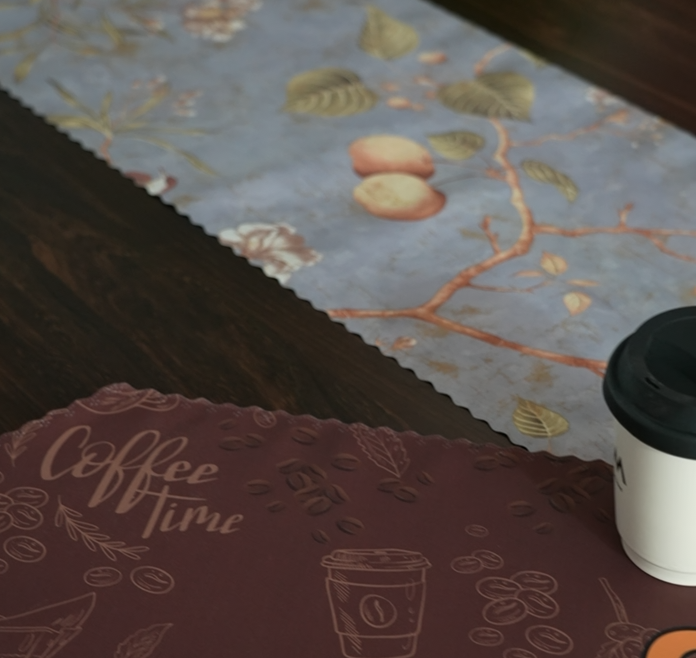
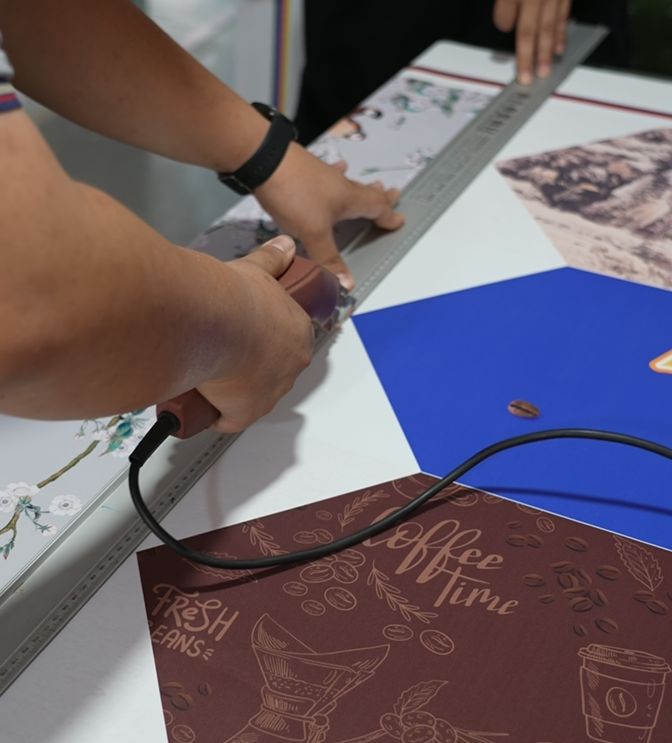
Among the growing list of textile display materials, super white blackout fabric has become one of the most sought-after solutions. Its ability to eliminate light transmission while maintaining outstanding print quality makes it ideal for premium indoor advertising and exhibition applications.
To fully unlock its performance potential, manufacturers are turning to the dye sublimation dual spray printer as the preferred production platform.
Understanding Super White Blackout Fabric
Super white blackout fabric is a multi-layer textile material designed to prevent light penetration.
The structure typically includes:
- Ultra-white printable surface
- Black light-blocking middle layer
- Reinforcement backing layer
This combination delivers excellent opacity, superior image quality, and improved dimensional stability.
For trade show booths, retail displays, conference backdrops, and decorative wall graphics, blackout fabric provides a premium appearance that traditional PVC materials often struggle to match.
The Growing Demand for Textile Display Solutions
Global buyers are increasingly moving away from PVC-based graphics due to sustainability concerns and transportation costs.
Textile graphics offer several advantages:
- Lightweight shipping
- Easier installation
- Better environmental profile
- Improved visual quality
- Enhanced user experience
As a result, demand for textile sublimation printing solution providers continues to grow worldwide.
Why Printing Quality Matters on Blackout Fabric
Blackout fabric is often used in large-format visual applications where every detail is highly visible.
Common challenges include:
- Color inconsistency
- Banding
- Poor gradient transitions
- Registration errors
- Production instability
These issues become more obvious when graphics are viewed at close range.
This is where a modern industrial dye sublimation printer becomes critical.
How Dual Spray Technology Improves Performance
A modern dual head sublimation printer uses synchronized printhead control to maximize both speed and image quality.
Key advantages include:
Higher Production Capacity
Dual-head architecture significantly increases throughput compared with traditional single-head configurations.
This allows manufacturers to meet tight delivery schedules without sacrificing print quality.
Improved Color Uniformity
Dual spray synchronization helps maintain stable ink distribution across wide-format fabrics.
The result is better color consistency from roll to roll.
Better Gradient Reproduction
Large exhibition graphics frequently contain soft gradients and photographic imagery.
Dual-head systems provide smoother tonal transitions and improved color accuracy.
Epson I3200 Technology Advantages
Many professional systems utilize the Epson I3200 sublimation printer platform.
Its industrial design offers:
- High-resolution output
- Precise droplet control
- Long-term reliability
- Continuous production capability
- Reduced maintenance cost
For factories running multi-shift production schedules, machine reliability becomes a major competitive advantage.